
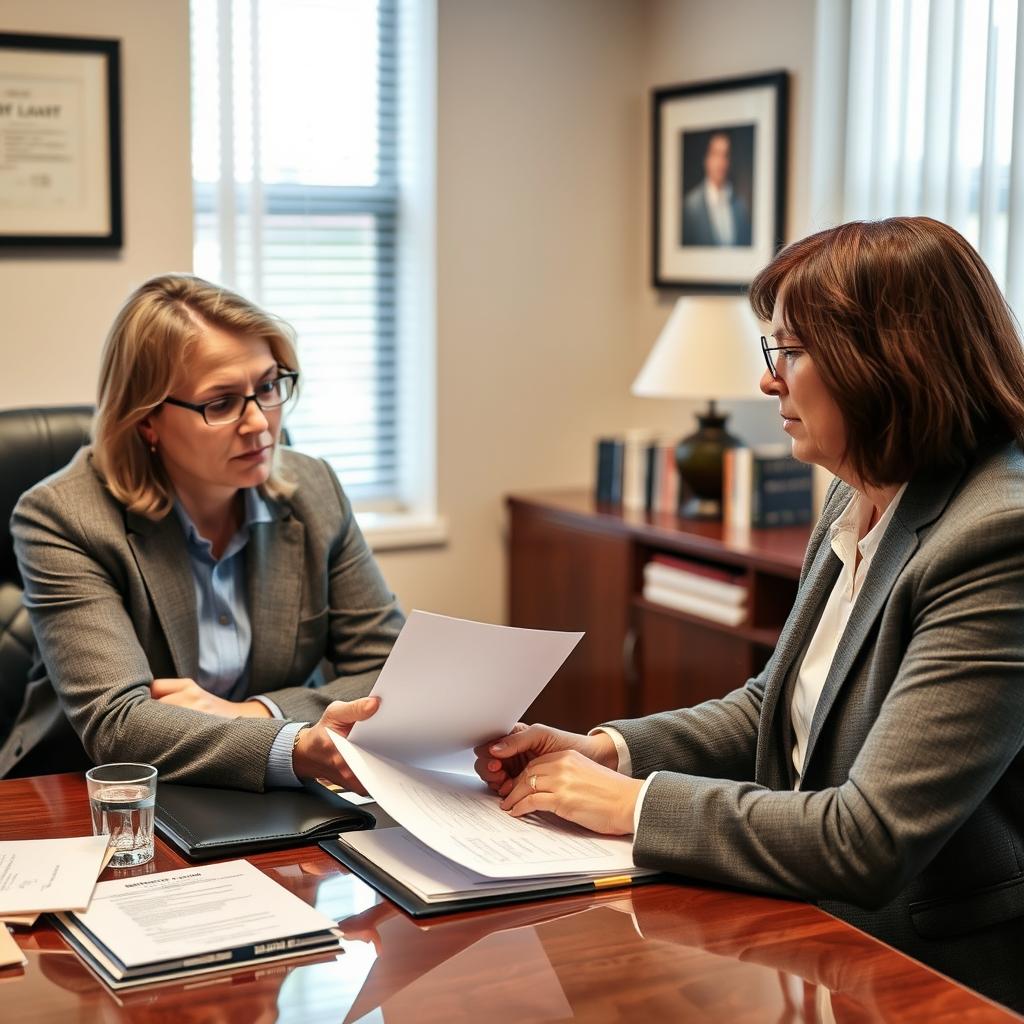
child relocation lawyer Baltimore, MD
When a parent in Baltimore plans to move with a child—whether across the county, to another state, or out of the country—serious custody questions arise. A proposed relocation can affect the other parent’s access, school enrollment, and the overall stability the child has known. At Law Offices Of SRIS, P.C., Mr. Sris and his Of Counsel team represent parents on both sides of child relocation disputes: the parent who needs to move and the parent who opposes the move. Our firm appears in Baltimore City Circuit Court and other Maryland courts in matters involving custody, visitation, and parental relocation. If you are facing a relocation decision or your co‑parent is planning to move with your child, reach our firm at (888) 437‑7747 to request a consultation with a child relocation lawyer who practices in Baltimore.
What Child Relocation Means in Baltimore, Maryland
Child relocation cases are among the most contested issues in Maryland custody law. A parent who intends to move away with the child must be aware that a court may need to approve the relocation or modify the existing custody order. Maryland courts evaluate these requests using the trusted‑interests‑of‑the‑child standard, considering a range of factors that weigh the benefits of the move against any disruption to the child’s relationship with the non‑moving parent.
Baltimore City Circuit Court hears contested custody and relocation matters when they are tied to a divorce, custody case, or modification action. The court will look at the reason for the move—whether it is for employment, education, family support, or a new relationship—and examine how the move will affect the child’s emotional, educational, and social environment. A parent who proposes to move a significant distance should expect to provide a detailed parenting plan showing how the child will maintain meaningful contact with the other parent. Even when parents agree to the move, a written agreement submitted to the court is generally advisable to avoid later disputes.
The firm’s attorneys are familiar with how Baltimore judges approach relocation requests. While each case turns on its own facts, courts generally require a showing that the move will not harm the child’s welfare and that a workable schedule for parenting time, holidays, and communication can be maintained. A judge may order mediation or appoint a best‑interest attorney for the child if the parents cannot agree. The court’s final order will determine the new custody and visitation arrangement going forward.
How Mr. Sris and His Of Counsel Handle Child Relocation Cases
When you contact Law Offices Of SRIS, P.C., Mr. Sris and his Of Counsel begin by reviewing the current court order, the proposed relocation plan, and any communication between the parents. We work to understand whether the move is necessary, temporary, or likely to become permanent, and we assess how the move will affect the child’s relationship with each parent.
Our approach is to build a factual picture that addresses the factors Baltimore courts consider most—such as the child’s age, the quality of each parent‑child relationship, the distance of the move, and whether the non‑moving parent has been exercising regular visitation. In many cases, the parties are able to negotiate a revised custody order that permits the relocation under agreed‑upon terms. When negotiation is not possible, Mr. Sris and his Of Counsel are prepared to litigate the matter in court. We present testimony, school records, and other evidence that shows either why the move serves the child’s best interests or why it would be harmful. Throughout the process, we keep our client informed of court deadlines and procedural steps.
About Mr. Sris and His Of Counsel Team
Mr. Sris, Owner and Founder of Law Offices Of SRIS, P.C., has been practicing law since 1997. He is a former prosecutor and is admitted to practice in Virginia, Maryland, the District of Columbia, New Jersey, and New York. Mr. Sris testified before the Virginia House Courts of Justice Committee in support of 2019 HB 635 (chief patron Del. David Bulova). His background in trial work informs the firm’s approach to contested custody and relocation matters.
Mr. Sris and his Of Counsel bring extensive combined legal experience to family law cases in Baltimore and throughout Maryland. The team’s familiarity with Maryland custody statutes and Baltimore court procedures helps clients navigate relocation disputes effectively. Whether the case involves a simple move across county lines or a complex interstate or international relocation, the firm’s attorneys work to present the clearest possible case to the court.
Frequently Asked Questions About Child Relocation in Baltimore
What is a child relocation case in Maryland?
A child relocation case arises when a parent with primary or shared physical custody wants to move the child to a new location that will affect the other parent’s court‑ordered parenting time. In Maryland, the court must approve the relocation or modify the existing custody order. The moving parent must demonstrate that the move serves the child’s best interests. Even when the relocation is not dramatic, any change that significantly alters visitation can prompt a court review. Our firm helps parents present evidence showing how the move will maintain a healthy relationship with the non‑moving parent.
Do I need a lawyer for a child relocation dispute in Baltimore?
While you are not legally required to hire a lawyer, Baltimore court proceedings involving child custody and relocation are fact‑intensive and procedurally complex, and having experienced counsel can help you present your position effectively. The court relies on evidence about the child’s needs, the reason for the move, and the existing parenting schedule. An attorney can gather documents, identify key witnesses, and advise on negotiation strategies or trial preparation. Mr. Sris and his Of Counsel are familiar with the Baltimore City Circuit Court and the types of evidence that judges find persuasive in relocation hearings.
How does a Baltimore court decide whether to allow a parent to relocate with a child?
The court applies the trusted‑interests standard, evaluating factors such as the child’s relationship with each parent, the reason for the move, the distance, the child’s educational and social needs, and how the move will affect the child’s stability. In Baltimore, the court will consider whether the moving parent has been the primary caregiver and how the move will affect the non‑moving parent’s visitation. If the court finds that the relocation will benefit the child overall and the non‑moving parent’s parenting time can be reasonably accommodated, it may grant the request. Each case is decided on its own facts.
Can a parent move with the child without the other parent’s consent in Maryland?
Generally, a parent cannot unilaterally move the child if the move would violate an existing custody order or interfere with the other parent’s court‑ordered visitation. If the proposed move is significant enough to affect the other parent’s time with the child, the moving parent should seek a court order modifying custody. Moving without consent or court approval can lead to the non‑moving parent filing an emergency motion. It is advisable to consult a child relocation lawyer before making any move that could affect custody.
What should I do if my co‑parent plans to relocate with our child?
If you believe the relocation will harm your relationship with your child, you should contact a custody lawyer promptly. You may be able to file a motion to prevent the move or to seek a modification of the custody order. The court will consider your objection and weigh the evidence. Providing documentation that shows your involvement in the child’s life—such as school records, communication logs, and a history of regular visitation—can support your position. Our firm helps parents in Baltimore assert their rights when a proposed relocation threatens the existing custody arrangement.
How are long‑distance or out‑of‑state relocations handled differently in Baltimore?
Long‑distance moves require a more detailed parenting plan and often involve virtual visitation, extended holiday schedules, and arrangements for transportation costs. Baltimore courts closely examine whether the child can maintain a meaningful relationship with the non‑moving parent over a greater distance. The court may order modifications to the custody order that adjust visitation to accommodate the distance, such as longer summer breaks or alternating major holidays. The moving parent should be prepared to show how they will facilitate the child’s continued connection with the other parent despite the added travel.
Related family law services in Maryland:
Montgomery County family law attorney ·
Prince George’s County family law attorney ·
Howard County family law attorney ·
Anne Arundel County family law attorney ·
Frederick County family law attorney
Rockville Location — 199 E. Montgomery Avenue, Suite 100, Room 211, Rockville, MD 20850 | (888) 437‑7747
Attorney advertising. Prior results do not guarantee a similar outcome.
Case results depend on a variety of factors unique to each case.