
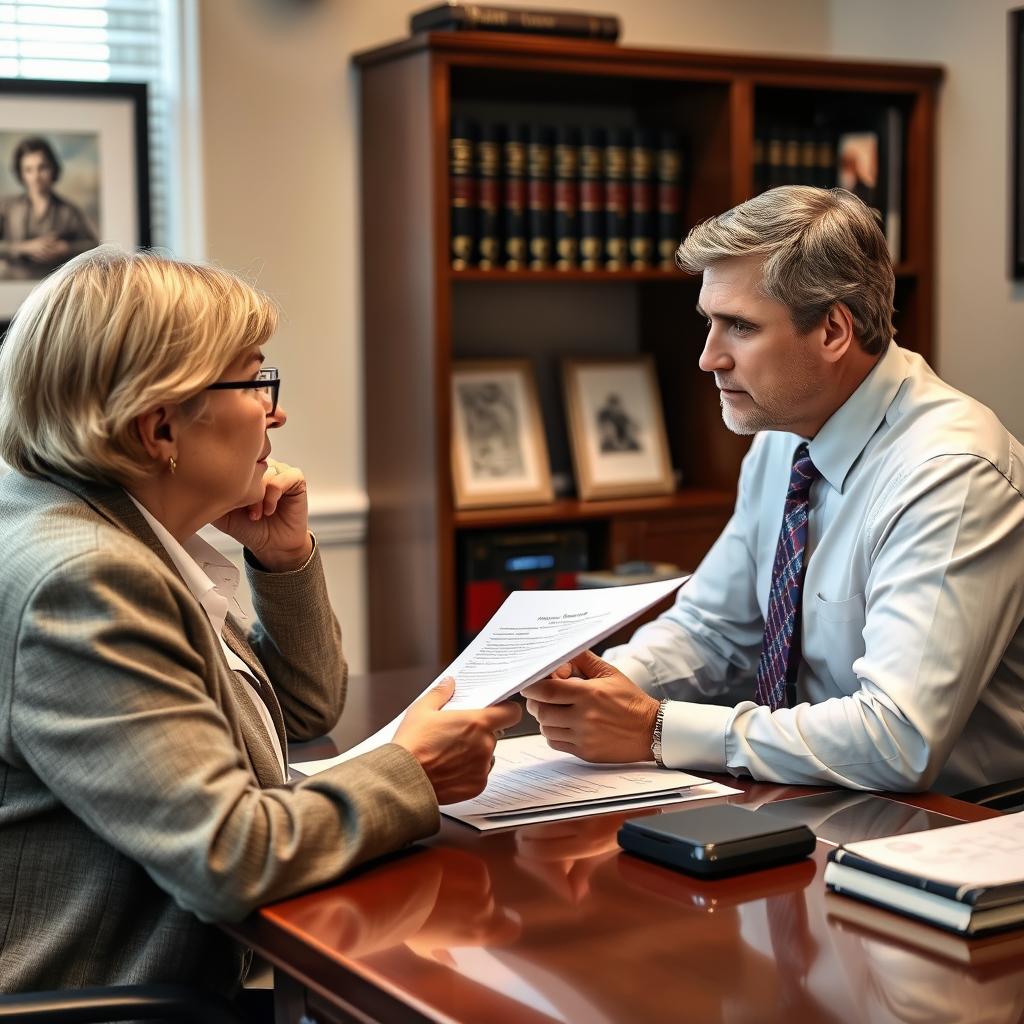
guardianship lawyer Montgomery County, VA
When a family faces the need for court‑appointed protection of a loved one—whether a minor child whose parents cannot care for them or an adult who can no longer manage personal or financial decisions—understanding Virginia guardianship law becomes urgent. In Montgomery County, guardianship proceedings are heard in the Montgomery County Juvenile & Domestic Relations District Court for cases involving minors and in the Montgomery County Circuit Court for adult guardianship and conservatorship matters. Mr. Sris and the firm’s Of Counsel attorneys bring extensive combined legal experience to these often emotionally charged matters, guiding clients through petitions, court hearings, and ongoing compliance. For guidance from an experienced guardianship lawyer in Montgomery County, VA, contact Law Offices Of SRIS, P.C. at (888) 437-7747. Law Offices Of SRIS, P.C. – Advocacy Without Borders.
What Guardianship Means in Montgomery County, VA
Virginia law treats guardianship and conservatorship as distinct but often concurrent responsibilities under Title 64.2 of the Virginia Code. Guardianship addresses the personal and day‑to‑day care of an individual (the “ward”), while conservatorship covers the management of the ward’s property and finances. A single person may serve as both guardian and conservator, or the roles may be split between two qualified individuals. In Montgomery County, petitions for guardianship over an adult or a minor are filed with the appropriate court—the Juvenile & Domestic Relations Court handles minor guardianship when the child is not the subject of a pending divorce, whereas the Circuit Court has authority over adult guardianship, emergency appointments, and the appointment of a conservator.
The firm’s Shenandoah location serves Montgomery County and surrounding communities including Christiansburg, Blacksburg, Shawsville, Riner, and Elliston. Because guardianship removes fundamental rights from the ward, Virginia courts apply a rigorous standard of proof, requiring clear and convincing evidence that the proposed ward is incapacitated and that the appointment is in the person’s best interest. Mr. Sris and the firm’s Of Counsel attorneys help clients prepare the necessary pleadings, coordinate medical or psychological evaluations when required, and present a complete record to the court so that the process moves as efficiently as possible while protecting the rights of all parties.
How Mr. Sris and the Firm’s Of Counsel Attorneys Handle Guardianship Cases
Each guardianship matter begins with a thorough evaluation of the family’s specific circumstances. The firm’s Of Counsel attorneys work with clients to determine the most appropriate type of guardianship—whether a full, limited, or emergency order—and identify the evidence needed to support the petition. Because Montgomery County courts schedule guardianship hearings on their own calendar and may require the proposed guardian to complete pre‑appointment training or background checks, the firm focuses on early preparation so that the petition is complete when it reaches the judge.
Throughout the case, Mr. Sris and the firm’s Of Counsel attorneys appear at every hearing, address questions from the court or a guardian ad litem if one is appointed, and assist with post‑appointment obligations such as annual accountings, reports to the commissioner of accounts, and compliance with any bond requirements the court sets. The firm also represents clients in contested guardianship disputes, including situations where family members disagree over who should serve or whether guardianship is necessary at all. In every matter, the goal is to achieve a stable, protective arrangement that respects the ward’s dignity while giving the guardian the legal authority needed to act.
About Mr. Sris and the Firm’s Of Counsel Attorneys
Mr. Sris, Owner and Founder of Law Offices Of SRIS, P.C., has practiced law since 1997 and is admitted in Virginia, Maryland, the District of Columbia, New Jersey, and New York. His background as a former prosecutor provides a disciplined, evidence‑based approach that is especially valuable in guardianship proceedings, where the court’s inquiry is thorough and the stakes are high. Mr. Sris and the firm’s Of Counsel attorneys bring extensive combined legal experience to guardianship matters. Results may vary.
Frequently Asked Questions
What is guardianship in Virginia?
Guardianship in Virginia is a court‑ordered arrangement in which a person or entity is given legal authority over the personal care of an incapacitated individual, whether a minor or an adult. Under Virginia Code § 64.2‑2000 et seq., the court may appoint a guardian of the person, a conservator of the estate, or both, depending on the needs of the proposed ward. Guardianship removes the ward’s right to make personal decisions; therefore, the court requires clear and convincing evidence that the appointment is necessary and in the ward’s best interest. The process involves filing a petition, giving notice to interested parties, and a hearing before a judge.
How does the guardianship process work in Montgomery County, VA?
In Montgomery County, the guardianship process begins with filing a petition in the appropriate court—Montgomery County Juvenile & Domestic Relations District Court for minors and Montgomery County Circuit Court for adults. The petition must state the grounds for guardianship, describe the proposed ward’s condition, and propose a guardian. After filing, the court sets a hearing date; notice must be served on the ward, close relatives, and sometimes a guardian ad litem. At the hearing, the petitioner presents evidence of incapacity and suitability. If granted, the guardian receives letters of guardianship and must comply with ongoing reporting duties.
Do I need a lawyer to petition for guardianship in Virginia?
Virginia law does not require you to hire a lawyer to file a guardianship petition, but having experienced counsel is strongly advisable because of the legal and evidentiary demands of the proceeding. The petitioner must comply with strict procedural rules, present medical or psychological evidence, and possibly respond to objections from other family members. An experienced attorney can help prepare the petition, gather the necessary documentation, and present the case effectively to the court. For guidance, reach Mr. Sris and the firm’s Of Counsel attorneys at (888) 437‑7747.
What types of guardianship are available in Virginia?
Virginia allows several types of guardianship: full guardianship, limited guardianship, temporary (emergency) guardianship, and standby guardianship, each tailored to the ward’s specific level of incapacity. Full guardianship gives the guardian broad authority over personal decisions; limited guardianship preserves the ward’s autonomy in areas where they remain capable. Temporary guardianship is available in emergency situations for a short, fixed period, while standby guardianship allows a parent to designate a future guardian for a minor child. The court determines the appropriate type based on the evidence presented at the hearing.
How long does a guardianship case take in Montgomery County?
The time needed to complete a guardianship case in Montgomery County varies depending on the court’s calendar, whether the petition is contested, and the complexity of the ward’s situation. Uncontested petitions with complete documentation often progress more quickly; contested cases or those requiring extensive evaluation by a guardian ad litem or medical experienced attorney may take longer. The clerk’s office can provide information about current scheduling, but because each case is different, the overall timeline is not predictable. For your situation, contact Law Offices Of SRIS, P.C. at (888) 437‑7747 to discuss reasonable expectations.
What factors does the Montgomery County court consider in guardianship proceedings?
The Montgomery County court considers the nature and extent of the proposed ward’s incapacity, the qualifications and suitability of the proposed guardian, and whether a less restrictive alternative to guardianship exists. Under Virginia Code § 64.2‑2007, the court must find by clear and convincing evidence that the person is incapacitated and that guardianship is necessary. The judge also weighs factors such as the ward’s preferences if they can be expressed, the proposed guardian’s relationship to the ward, any history of abuse or neglect, and the recommendations of medical professionals and the guardian ad litem.
Internal resources:
Family law attorney in Fairfax County, VA
Family lawyer for Prince William County
Manassas family law counsel
Virginia primary sources:
Virginia Code Title 64.2 (Guardianship and Conservatorship)
Virginia Judicial System
Attorney advertising. Prior results do not guarantee a similar outcome.
Case results depend on a variety of factors unique to each case.