
Note: This article is confirmed by Law Offices Of SRIS, P.C.
WRITTEN BY: Mr. Sris
Since 1997, Mr. Sris has led the firm, focusing on the most challenging criminal and family law cases… His background in accounting and information management aids in financial and technology-related cases… Involved in significant legislative changes in Virginia.
Insight: My focus since founding the firm in 1997 has always been directed towards personally handling the most challenging and involved criminal and family law matters our clients face.
Insight: I find my background in accounting and information management provides a unique advantage when handling the intricate financial and technological aspects inherent in many modern legal cases.
Insight: As someone deeply involved in the community, I believe it’s important to not only practice law but also to actively participate in shaping it, which is why I dedicated effort towards amending Virginia Code § 20-107.3 and achieving state recognition for cultural milestones.
postnup lawyer Howard MD
What is a Postnuptial Agreement
Postnuptial agreements serve as important legal tools for married couples who want to establish clear financial arrangements after their wedding. Unlike prenuptial agreements made before marriage, postnuptial agreements are created while the marriage is ongoing. These documents can address various financial matters including property division, debt allocation, spousal support arrangements, and inheritance rights.
Creating a valid postnuptial agreement involves several key steps. Both parties must provide complete financial disclosure, listing all assets, debts, income sources, and financial obligations. The agreement should be fair and reasonable at the time of signing, without evidence of coercion or pressure. Each spouse typically needs independent legal representation to ensure their interests are properly protected throughout the process.
Maryland courts examine postnuptial agreements carefully when determining their enforceability. The agreement must be in writing and signed by both parties. Courts consider whether both spouses entered the agreement voluntarily with full understanding of its terms. The agreement cannot be unconscionable or promote divorce, and it must comply with Maryland’s marital property laws and public policy considerations.
Professional guidance is vital when creating these agreements. Attorneys help ensure proper documentation, adequate financial disclosure, and compliance with legal requirements. They can identify potential issues that might affect enforceability and help structure agreements that protect both parties’ interests while maintaining the marital relationship.
How to Create a Valid Postnuptial Agreement
The process of creating a legally sound postnuptial agreement begins with open communication between spouses. Couples should discuss their goals, concerns, and expectations honestly before involving attorneys. This initial conversation helps establish the framework for what the agreement should address, whether it’s protecting separate property, clarifying financial responsibilities, or planning for potential future changes.
Financial disclosure forms the foundation of any valid postnuptial agreement. Both spouses must provide complete and accurate information about all assets, liabilities, income sources, and financial obligations. This includes bank accounts, investment portfolios, real estate holdings, business interests, retirement accounts, debts, and any other financial matters. Full transparency is required, as incomplete or misleading financial information can invalidate the entire agreement.
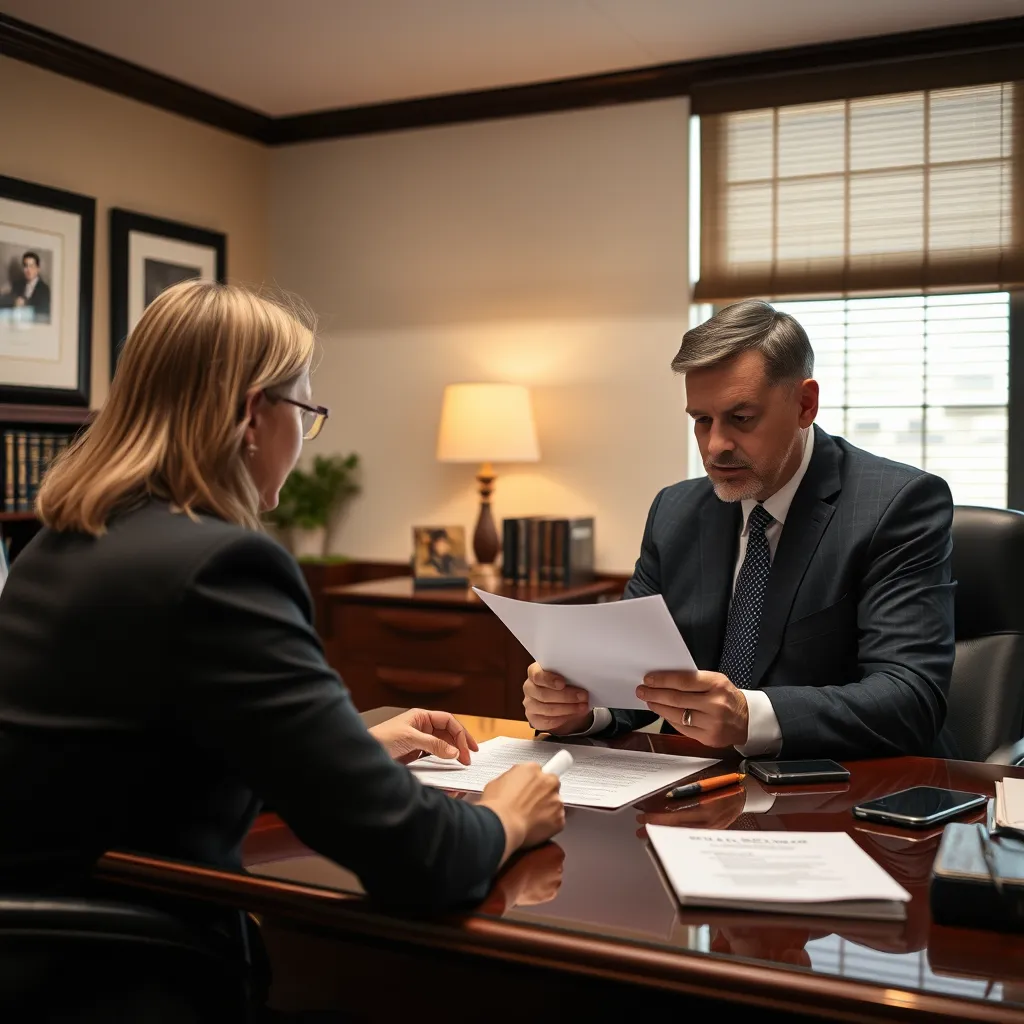
Independent legal representation is a important requirement for both parties. Each spouse should consult with their own attorney who can explain the legal implications, review the proposed terms, and ensure their client’s rights are protected. Attorneys help identify potential issues, suggest modifications, and ensure the agreement complies with Maryland law. This separate representation helps demonstrate that both parties entered the agreement voluntarily and with full understanding.
The agreement must be carefully drafted to address specific concerns while remaining fair and reasonable. Key provisions typically include property classification (separate vs. marital), debt allocation, spousal support terms, inheritance rights, and dispute resolution methods. The document should be clear, specific, and comprehensive to avoid future misunderstandings or challenges.
Final execution requires proper signing procedures, often with witnesses or notarization. Both parties should keep copies of the signed agreement and all supporting financial documentation. Regular reviews and updates may be necessary as circumstances change, such as significant financial changes, births of children, or relocation to different states.
Can I Modify or Challenge a Postnuptial Agreement
Modifying an existing postnuptial agreement requires agreement from both spouses and proper legal procedures. Couples may choose to update their agreement due to significant life changes such as substantial increases in assets, birth of children, career changes, or relocation. The modification process mirrors the original creation process, requiring full financial disclosure, independent legal counsel for both parties, and proper documentation of the changes.
Challenges to postnuptial agreements typically arise during divorce proceedings when one spouse seeks to set aside the agreement. Maryland courts may invalidate postnuptial agreements under specific circumstances. The most common grounds for challenge include lack of voluntary consent, where one spouse claims they were pressured or coerced into signing. Evidence of threats, intimidation, or signing under duress can support such claims.
Incomplete or fraudulent financial disclosure represents another basis for challenge. If one spouse concealed assets, misrepresented financial information, or failed to provide complete disclosure as required by law, the agreement may be set aside. The injured party must demonstrate that the incomplete disclosure was material and affected their decision to sign the agreement.
Unconscionability at the time of enforcement provides grounds for challenge even if the agreement was fair when signed. If circumstances have changed so dramatically that enforcing the agreement would create extreme hardship or unfairness, courts may refuse to enforce it. This typically requires showing that the agreement’s terms have become grossly disproportionate to what would be fair under current circumstances.
Procedural defects in the agreement’s creation can also lead to challenges. These include lack of independent legal counsel for both parties, inadequate time to review the agreement before signing, or failure to comply with formal execution requirements. Maryland courts examine the entire circumstances surrounding the agreement’s creation when evaluating its validity.
Why Hire Legal Help for Postnuptial Agreements
Professional legal assistance provides essential protection when creating postnuptial agreements. Attorneys bring knowledge of Maryland’s specific legal requirements and court precedents that affect agreement validity. They understand what provisions courts have upheld or rejected in similar cases, helping couples avoid common pitfalls that could jeopardize their agreement’s enforceability.
Legal professionals ensure proper financial disclosure procedures are followed. They help clients gather and organize complete financial information, identify assets that might be overlooked, and ensure disclosure meets legal standards. Attorneys can also help value involved assets like businesses, professional practices, or intellectual property that require attorney assessment.
Drafting appropriate language is another area where legal help proves valuable. Attorneys use precise terminology that clearly expresses the parties’ intentions while complying with legal standards. They can include provisions that address potential future scenarios, such as changes in income, inheritance, or disability, providing greater long-term protection for both spouses.
Independent representation protects each spouse’s individual interests. While couples may agree on basic principles, attorneys ensure the final agreement fairly addresses both parties’ concerns. They can identify provisions that might create unintended consequences or future disputes, suggesting modifications that better serve both spouses’ long-term interests.
Legal guidance helps maintain the marital relationship during the agreement process. Attorneys can facilitate constructive discussions, help manage emotional aspects of financial planning, and ensure the process remains focused on creating a fair agreement rather than creating conflict. This professional approach helps couples address difficult topics while preserving their relationship.
Enforcement preparation is another important aspect. Attorneys help create documentation trails that demonstrate the agreement was entered voluntarily with full understanding. This includes records of financial disclosures, correspondence, and independent legal advice, all of which support the agreement’s validity if challenged later.
FAQ:
What makes a postnuptial agreement valid in Maryland?
Complete financial disclosure, independent legal counsel for both spouses, voluntary signing without pressure, and fair terms at signing time.
How does a postnuptial agreement differ from a prenuptial agreement?
Prenuptial agreements are created before marriage while postnuptial agreements are made during the marriage.
Can a postnuptial agreement address child custody or support?
Maryland courts generally do not enforce agreements about child custody or support as these decisions must consider the child’s best interests at the time.
What happens if we don’t disclose all assets?
Incomplete disclosure can make the entire agreement invalid if discovered later during divorce proceedings.
Can we create a postnuptial agreement without lawyers?
While possible, doing so risks creating an unenforceable agreement that fails to protect either spouse properly.
How often should we review our postnuptial agreement?
Review every few years or after major life changes like significant financial shifts, births, or career changes.
What financial information must we disclose?
All assets, debts, income sources, business interests, retirement accounts, and any other financial matters.
Can a postnuptial agreement be changed after signing?
Yes, with mutual consent, full financial disclosure, and proper legal procedures similar to the original agreement.
What makes a postnuptial agreement unfair?
Terms that leave one spouse with inadequate resources or that don’t reflect the marriage’s actual financial circumstances.
How long does creating a postnuptial agreement take?
The process typically takes several weeks to allow for financial gathering, attorney review, and careful consideration.
What if one spouse refuses to sign a postnuptial agreement?
Postnuptial agreements require both spouses’ voluntary agreement; they cannot be forced on an unwilling spouse.
Are postnuptial agreements only for wealthy couples?
No, they can benefit couples at various income levels by clarifying financial expectations and responsibilities.
Past results do not predict future outcomes