
Note: This article is confirmed by Law Offices Of SRIS, P.C.
WRITTEN BY: Mr. Sris
Since 1997, Mr. Sris has led the firm, focusing on the most challenging criminal and family law cases… His background in accounting and information management aids in financial and technology-related cases… Involved in significant legislative changes in Virginia.
Insight: My focus since founding the firm in 1997 has always been directed towards personally handling the most challenging and involved criminal and family law matters our clients face.
Insight: I find my background in accounting and information management provides a unique advantage when handling the intricate financial and technological aspects inherent in many modern legal cases.
Insight: As someone deeply involved in the community, I believe it’s important to not only practice law but also to actively participate in shaping it, which is why I dedicated effort towards amending Virginia Code § 20-107.3 and achieving state recognition for cultural milestones.
affidavit of parentage lawyer Queen Anne’s MD
What is an Affidavit of Parentage
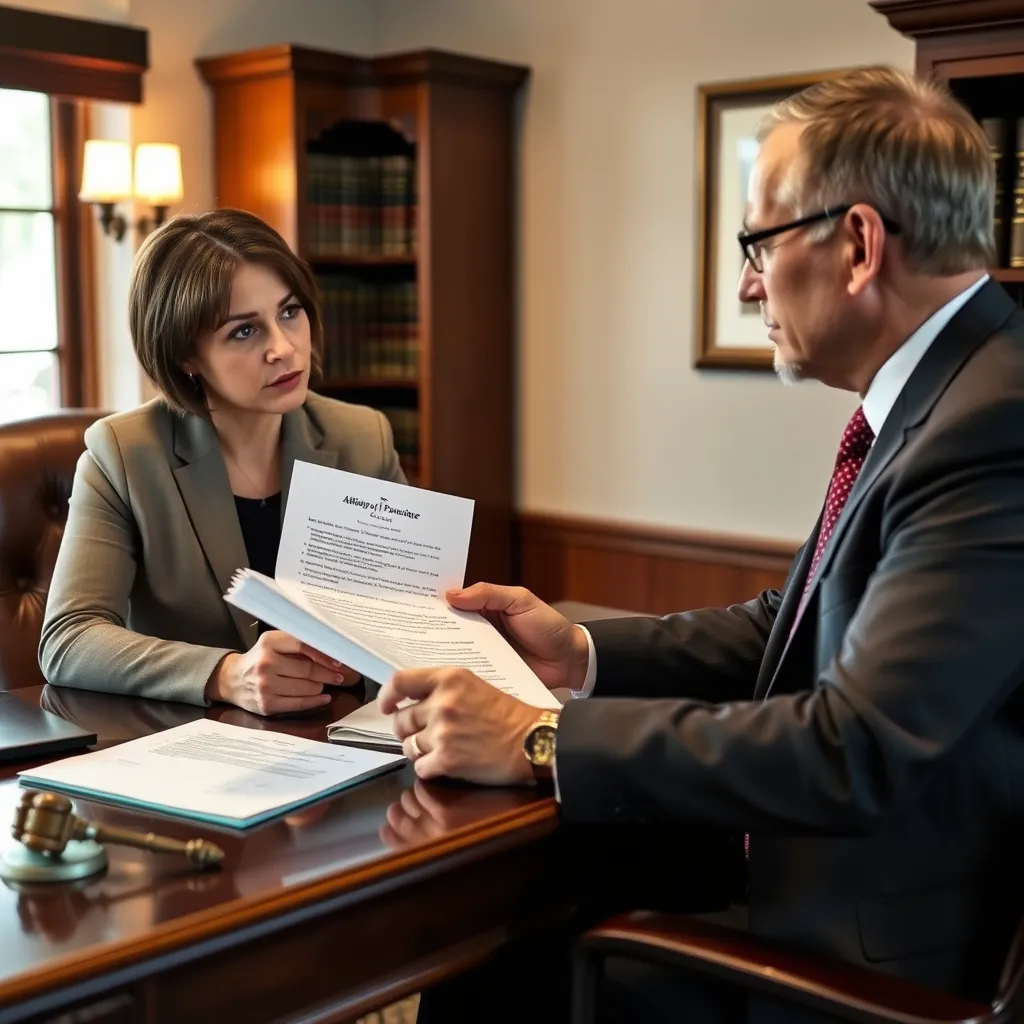
An affidavit of parentage represents a formal legal declaration establishing the biological relationship between a parent and child. This document carries significant legal weight in Maryland family law proceedings. When properly executed and filed, it creates legal recognition of parentage that affects numerous rights and responsibilities.
The document requires specific information including full names of both parents, the child’s birth details, and acknowledgment of biological relationship. Maryland law mandates that both parents sign the affidavit voluntarily before a notary public. This sworn statement becomes part of the child’s official records and can be used in various legal contexts.
Legal parent document attorney Queen Annes County MD services ensure proper completion of these affidavits. The document establishes legal standing for custody decisions, child support obligations, and inheritance rights. It also affects medical decision-making authority and educational consent matters.
Maryland courts recognize properly executed affidavits as binding legal documents. They serve as evidence of parentage in family law proceedings and can be challenged only under specific circumstances. The affidavit creates a legal presumption of parentage that affects numerous aspects of family law.
How to Complete a Parentage Affidavit
The process of completing a parentage affidavit begins with obtaining the correct Maryland form. This document requires comprehensive personal information about both parents including full legal names, addresses, dates of birth, and Social Security numbers. The child’s information must include full name, date of birth, and place of birth.
Both parents must sign the affidavit voluntarily without coercion. Maryland law requires signatures to be witnessed by a notary public who verifies identities and ensures understanding of the document’s implications. The notary’s seal and signature make the affidavit legally binding.
After notarization, the affidavit must be filed with Maryland’s Department of Health, Division of Vital Records. This official filing creates a permanent record of parentage. Some counties may require additional local filings depending on specific circumstances.
Legal assistance ensures all requirements are met properly. Attorneys verify information accuracy, confirm voluntary participation, and handle filing procedures. They also explain the legal consequences of signing the affidavit to both parties.
Can I Modify a Parentage Affidavit
Once a parentage affidavit is properly filed with Maryland authorities, modification becomes challenging. The document creates a legal presumption of parentage that carries significant weight in family law matters. Maryland courts recognize these affidavits as binding declarations.
Modification typically requires filing a petition with the appropriate Maryland court. Grounds for modification include proving fraud, duress, or material mistake in the original affidavit. The party seeking modification must provide clear and convincing evidence supporting their claim.
Time limitations apply to challenging parentage affidavits. Maryland law establishes specific deadlines for filing challenges, often tied to the child’s age or discovery of relevant facts. Missing these deadlines can permanently bar modification attempts.
The legal process involves formal court proceedings with evidence presentation and witness testimony. Courts consider the child’s best interests when evaluating modification requests. The burden of proof rests with the party seeking to change the established parentage.
Why Hire Legal Help for Parentage Matters
Legal assistance provides important benefits when dealing with parentage matters in Maryland. Attorneys ensure proper completion of affidavits with accurate information that meets all legal requirements. They verify that both parties understand the document’s implications before signing.
Professional guidance prevents common errors that could invalidate the affidavit or create future legal problems. Attorneys handle notarization requirements and ensure proper filing with Maryland agencies. They maintain records and provide copies for future reference.
When disputes arise or modifications become necessary, legal representation becomes particularly valuable. Attorneys handle court procedures, prepare necessary documentation, and present evidence effectively. They advocate for parental rights while considering the child’s best interests.
Legal help extends beyond affidavit preparation to address related matters including custody, support, and visitation rights. Attorneys provide comprehensive guidance on how parentage affects various family law issues. They help parents understand their legal standing and options.
FAQ:
What information goes on a parentage affidavit?
Required details include parents’ full names, addresses, birth dates, Social Security numbers, and the child’s birth information. Both parents must sign before a notary.
How long does the affidavit process take?
Completion typically takes 1-2 weeks including notarization and filing. Maryland processing times vary but generally complete within 30 days of submission.
Can unmarried parents use this affidavit?
Yes, Maryland allows unmarried parents to establish legal parentage through this affidavit. The process provides same legal recognition as married parents.
What rights does the affidavit establish?
It establishes custody rights, support obligations, inheritance rights, medical consent authority, and educational decision-making power.
Can the affidavit be signed after birth?
Yes, Maryland allows signing at any time, though earlier filing provides immediate legal recognition and protection of rights.
What if one parent refuses to sign?
Legal proceedings may be necessary to establish parentage through court order when voluntary agreement isn’t possible.
Does the affidavit guarantee custody?
It establishes legal parentage but custody arrangements are determined separately through agreements or court decisions.
How much does legal help cost?
Costs vary based on case challenge. Many attorneys offer initial consultations to discuss fees and payment options.
Can the affidavit be used for child support?
Yes, established parentage through affidavit creates legal basis for child support orders in Maryland courts.
What if information changes later?
Contact information updates can be filed separately, but parentage changes require court action with proper evidence.
Is the affidavit reversible?
Reversal requires court action proving fraud, duress, or material mistake within Maryland’s statutory time limits.
Where do I file the completed affidavit?
File with Maryland Department of Health, Division of Vital Records. Some counties require additional local filing.
Past results do not predict future outcomes