
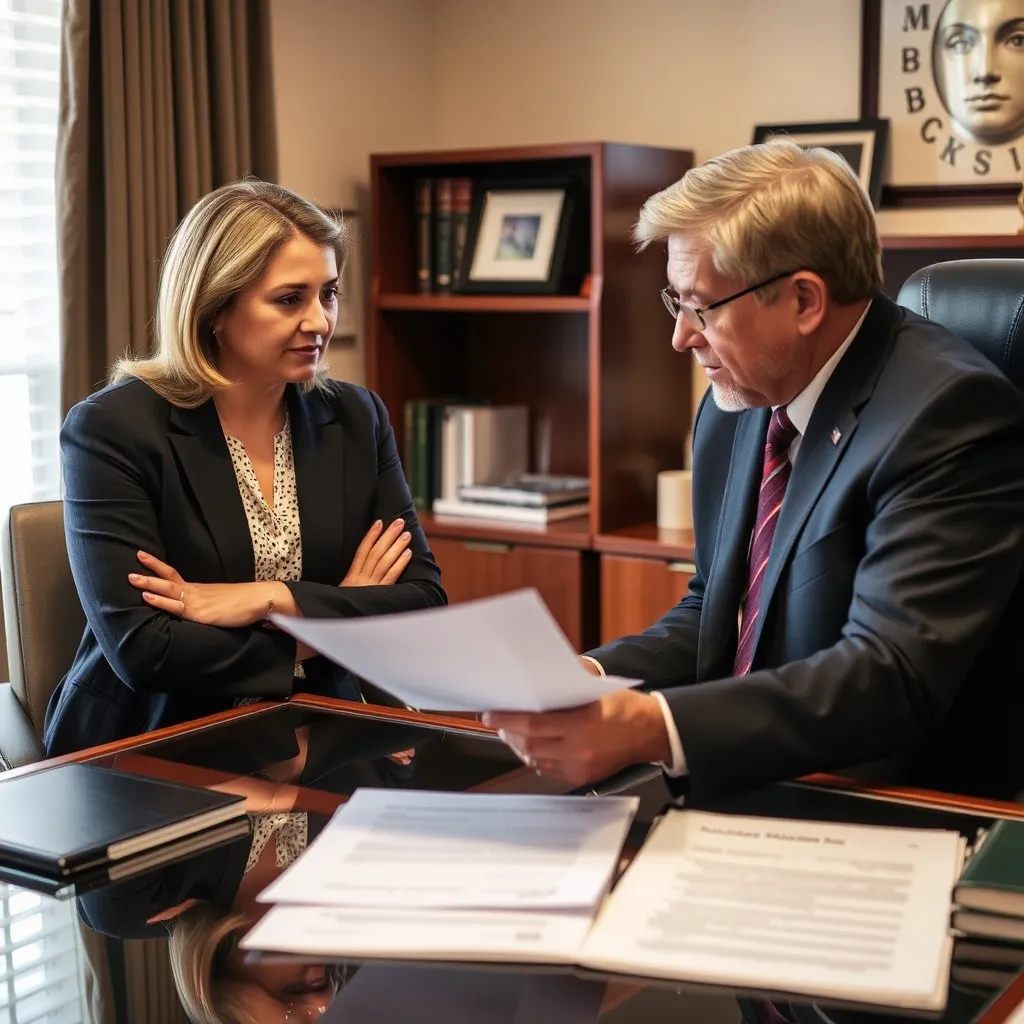
Note: This article is confirmed by Law Offices Of SRIS, P.C.
WRITTEN BY: Mr. Sris
Since 1997, Mr. Sris has led the firm, focusing on the most challenging criminal and family law cases. His background in accounting and information management aids in financial and technology-related cases. Involved in significant legislative changes in Virginia. My focus since founding the firm in 1997 has always been directed towards personally handling the most challenging and involved criminal and family law matters our clients face.
divorce decree modification lawyer Carroll MD
What is divorce decree modification
Divorce decree modification refers to the legal process of changing court-ordered terms after a divorce judgment becomes final. When life circumstances change significantly, the original divorce agreement may no longer serve the parties’ needs or reflect current realities. The modification process allows for adjustments to various aspects of the divorce decree, including financial arrangements, parenting schedules, and property distribution.
The modification process begins with identifying which aspects of the divorce decree need adjustment. Common areas for modification include spousal support (alimony), child support payments, child custody arrangements, visitation schedules, and occasionally property division terms. Each type of modification follows specific legal standards and requires different evidence to support the requested changes.
To pursue modifications, individuals must demonstrate substantial changes in circumstances that justify altering the original court order. These changes might include job loss, significant income changes, relocation, health issues, changes in children’s needs, or remarriage. The court examines whether these changes were foreseeable at the time of the original divorce and whether they materially affect the existing arrangements.
Legal guidance helps identify which modifications are legally appropriate and how to present evidence effectively. Proper documentation, financial records, and legal arguments must be prepared to support modification requests. Understanding Maryland’s specific modification laws and Carroll County court procedures ensures requests are handled correctly.
How to modify a divorce decree in Carroll County
Modifying a divorce decree in Carroll County follows established legal procedures through the Carroll County Circuit Court. The process begins with determining whether your situation qualifies for modification under Maryland law. Substantial changes in circumstances must be documented and legally relevant to the specific terms you wish to modify.
The first step involves preparing and filing a petition for modification with the Carroll County Circuit Court. This legal document outlines the requested changes and the reasons supporting them. The petition must include specific information about the original divorce decree, the terms to be modified, and detailed explanations of the changed circumstances. Proper formatting and legal language are essential for court acceptance.
After filing, you must serve the other party with legal notice of the modification request. This ensures they have opportunity to respond and participate in the proceedings. Service must follow Maryland’s rules for legal notification, which may involve certified mail, process servers, or other approved methods. Failure to provide proper notice can delay or dismiss the modification request.
The court schedules hearings where both parties present evidence and arguments. Documentation supporting changed circumstances might include financial records, medical reports, employment verification, or other relevant evidence. The judge evaluates whether changes are substantial enough to justify modification and whether the proposed changes serve the best interests of any children involved.
Can I modify spousal support after divorce
Spousal support modification is available when financial circumstances change substantially after divorce. Maryland law allows adjustments to alimony payments when either party experiences significant changes affecting their financial situation. These changes must be substantial, material, and unforeseen at the time of the original divorce agreement.
Common situations justifying spousal support modification include job loss or significant income reduction for either party. If the paying spouse loses employment or experiences income decrease, they may request reduction in support payments. Conversely, if the receiving spouse’s financial needs increase due to health issues, disability, or other circumstances, they may request increased support.
Remarriage of the receiving spouse typically terminates spousal support obligations in Maryland. Cohabitation with a new partner may also affect support calculations. Changes in living expenses, medical costs, or tax implications can also justify modification requests. The court examines whether changes are permanent or temporary when considering modifications.
To modify spousal support, you must demonstrate how circumstances have changed since the original order. Financial documentation, employment records, medical reports, and other evidence support modification requests. The court considers whether changes were foreseeable and whether they materially affect the support arrangement’s fairness.
Why hire legal help for modification cases
Hiring legal assistance for divorce decree modification provides several advantages in addressing involved legal processes. Attorneys familiar with Maryland family law understand specific requirements for modification cases and can identify which changes qualify under current statutes. They help assess whether your situation meets the substantial change standard required by courts.
Legal professionals assist with proper documentation and evidence collection. They know what types of evidence courts find persuasive and how to present financial information, medical records, or other documentation effectively. Proper evidence organization and presentation can significantly impact modification decisions.
Attorneys handle court procedures and filing requirements, ensuring deadlines are met and paperwork is correctly completed. They prepare legal petitions, responses, and other documents using appropriate legal language and formatting. This reduces risks of procedural errors that could delay or dismiss modification requests.
During court proceedings, legal representation presents arguments effectively and responds to opposing positions. Attorneys understand how to frame modification requests in ways that address judicial concerns and legal standards. They can negotiate with opposing parties when appropriate and advocate for your interests throughout the process.
FAQ:
What qualifies as substantial change for modification?
Substantial changes include job loss, income changes over 25%, health issues, relocation, or children’s needs changing significantly.
How long does modification take in Carroll County?
Modification typically takes 2-4 months depending on court schedules, challenge, and whether both parties agree to changes.
Can child custody be modified after divorce?
Yes, child custody can be modified when changes affect children’s best interests, like relocation or parenting ability changes.
What evidence supports modification requests?
Financial records, pay stubs, medical reports, employment verification, and documentation of changed circumstances provide evidence.
Can I modify property division after divorce?
Property division modifications are rare but possible with fraud, mistake, or newly discovered asset evidence.
How much does modification cost?
Costs vary based on case challenge, attorney fees, court costs, and whether hearings are contested or uncontested.
What if the other party opposes modification?
Opposed modifications proceed to hearings where both parties present evidence and arguments for judicial decision.
Can temporary changes justify modification?
Temporary changes may support temporary modifications but permanent changes typically require longer-term circumstances.
How often can I request modifications?
Modifications can be requested when new substantial changes occur, but frequent requests without valid reasons may be denied.
What happens if modification is denied?
If denied, original terms remain in effect. New requests require additional substantial changes not previously considered.
Can I modify out-of-state divorce decrees in Maryland?
Maryland may modify certain aspects of out-of-state decrees if jurisdictional requirements are met for Maryland courts.
What if circumstances improve after modification?
Improved circumstances may support further modification requests, particularly for support reductions based on increased income.
Past results do not predict future outcomes