
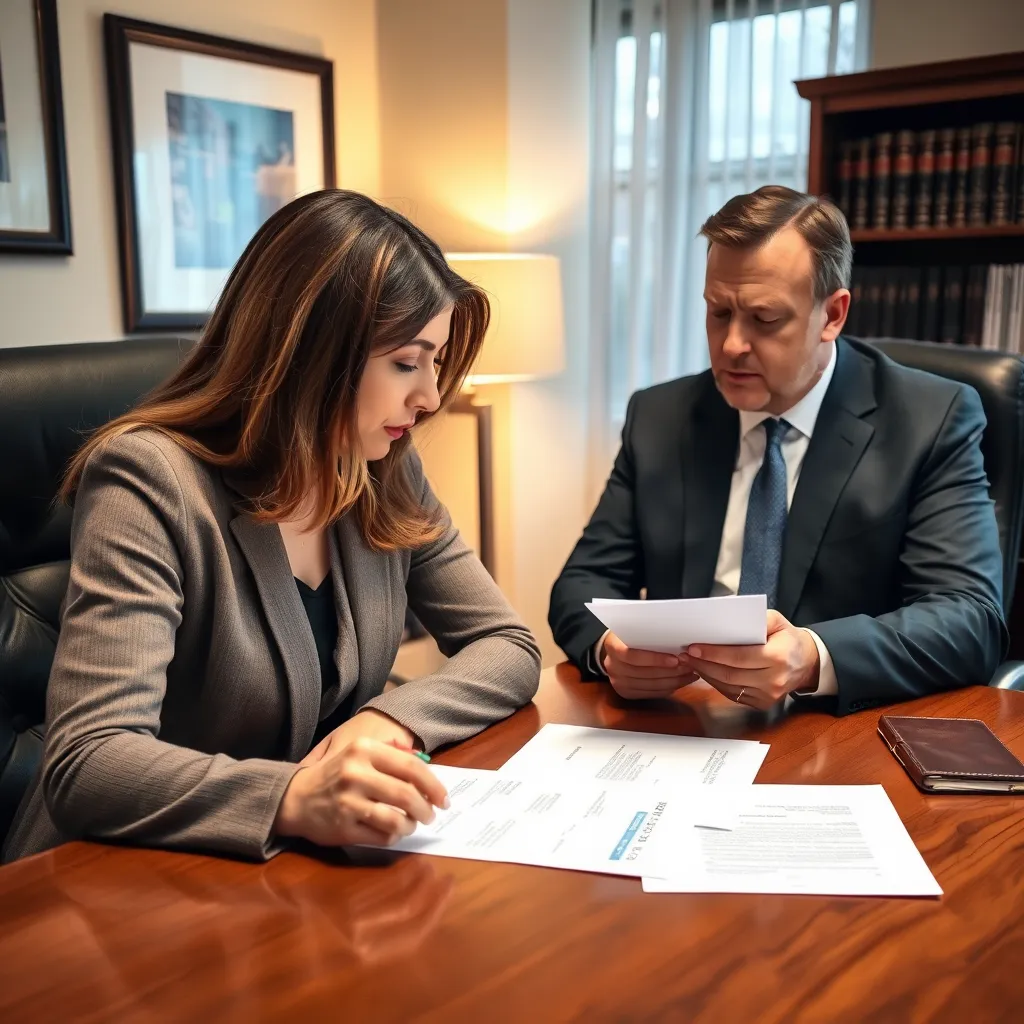
Note: This article is confirmed by Law Offices Of SRIS, P.C.
WRITTEN BY: Mr. Sris
Since 1997, Mr. Sris has led the firm, focusing on the most challenging criminal and family law cases… His background in accounting and information management aids in financial and technology-related cases… Involved in significant legislative changes in Virginia.
Insight: My focus since founding the firm in 1997 has always been directed towards personally handling the most challenging and involved criminal and family law matters our clients face.
Insight: I find my background in accounting and information management provides a unique advantage when handling the intricate financial and technological aspects inherent in many modern legal cases.
Insight: As someone deeply involved in the community, I believe it’s important to not only practice law but also to actively participate in shaping it, which is why I dedicated effort towards amending Virginia Code § 20-107.3 and achieving state recognition for cultural milestones.
domestic abuse lawyer Frederick MD
What is domestic abuse in Frederick County?
Domestic abuse in Frederick County encompasses various harmful behaviors occurring between individuals who share specific relationships. Maryland law recognizes domestic abuse as occurring between current or former spouses, individuals related by blood or marriage, individuals who have lived together for at least 90 days within one year, individuals who have a child in common, or individuals in a dating relationship. The legal definition includes physical acts that cause harm, attempts to cause harm, placing someone in fear of imminent serious bodily harm, assault, rape or sexual offenses, false imprisonment, stalking, and malicious destruction of property.
The process for addressing domestic abuse begins with recognizing the signs and understanding legal protections available. Victims should document incidents, seek medical attention if injured, and contact law enforcement when safety is threatened. Frederick County courts handle domestic abuse cases through protective order proceedings, which provide immediate legal protection. These orders can prohibit contact, require the abuser to vacate a shared residence, establish temporary custody arrangements, and provide other protective measures. The legal system aims to prevent further harm while allowing proper legal procedures to unfold.
Defense options and legal strategies depend on individual circumstances. Those accused of domestic abuse have rights to legal representation and due process. An attorney can help present evidence, challenge allegations, and ensure proper legal procedures are followed. For victims, legal representation helps handle the protective order process, gather evidence, and present a compelling case to the court. Both parties benefit from understanding Maryland’s domestic violence laws and court procedures specific to Frederick County.
Professional insight reveals that domestic abuse cases require careful handling of both legal and emotional aspects. Courts consider evidence such as police reports, medical records, photographs, witness statements, and documentation of threats or harassment. The timing of legal actions can be vital, as immediate protection may be necessary in dangerous situations. Understanding local court procedures and having experienced representation can significantly affect case outcomes.
Reality Check: Domestic abuse cases move quickly through Frederick County courts. Immediate action often determines whether protection is granted or denied.
How to obtain a protective order in Frederick County
Obtaining a protective order in Frederick County requires following specific legal procedures established by Maryland law. The process begins at the District Court or Circuit Court in Frederick, where individuals can file a petition for protection from domestic violence. The petitioner must complete forms detailing the relationship with the respondent, incidents of abuse, and requested protections. Court staff can provide forms but cannot offer legal advice about completing them. Filing typically occurs during business hours, though emergency situations may involve after-hours procedures through law enforcement.
The action steps involve several phases. After filing, a judge reviews the petition to determine if immediate temporary protection is warranted. If granted, a temporary protective order takes effect immediately and typically lasts up to 7 days. During this period, law enforcement serves the order on the respondent. A final hearing is scheduled within 7 days where both parties can present evidence and testimony. At the final hearing, the judge decides whether to issue a final protective order, which can last up to one year with possible extensions.
Defense strategies for respondents facing protective order petitions include preparing evidence, presenting witnesses, and challenging allegations. Respondents have the right to legal representation at hearings and should carefully review the petition’s allegations. Protective orders can have significant consequences, including restrictions on firearm possession, custody limitations, and potential impact on employment. Understanding these implications helps both petitioners and respondents make informed decisions about their legal positions.
Authority in protective order matters comes from understanding Maryland’s Family Law Article and local court procedures. Judges consider factors such as the severity of alleged abuse, history of violence, immediate danger, and the need for protection. Evidence presentation follows court rules, and proper documentation strengthens legal arguments. Professional legal assistance helps ensure all procedural requirements are met and rights are protected throughout the process.
Straight Talk: Protective orders require specific evidence and proper court procedures. Missing steps can result in denied protection or unintended legal consequences.
Can I get a restraining order for domestic violence in Frederick?
In Frederick and throughout Maryland, the legal system uses protective orders rather than traditional restraining orders for domestic violence situations. Maryland’s Family Law Article establishes protective orders as the primary legal remedy for domestic abuse between family or household members. These orders function similarly to restraining orders in other states but follow specific Maryland procedures and requirements. Protective orders can be obtained through Frederick County courts and provide legal protections against further abuse or contact.
The process for obtaining protection involves understanding Maryland’s legal framework. Protective orders are categorized as temporary, interim, or final, each with different durations and requirements. Temporary orders provide immediate protection pending a final hearing, typically lasting up to 7 days. Interim orders may be issued when courts are closed, through commissioners or judges available after hours. Final orders result from hearings where both parties present evidence and can last up to one year with possible extensions. The legal standards for obtaining these orders require showing specific types of abuse and qualifying relationships.
Defense considerations include understanding the differences between protective orders and peace orders. Peace orders address situations where the parties don’t qualify as family or household members under domestic violence definitions. Both types of orders offer protection but follow different legal standards and procedures. Legal representation helps determine which type of order applies to specific situations and ensures proper filing and presentation of evidence.
Professional insight indicates that protective orders in Frederick require meeting specific legal criteria. Courts consider factors such as the immediacy of danger, severity of alleged abuse, and relationship between parties. Evidence presentation follows court rules, and proper documentation supports legal arguments. Understanding local court procedures and having experienced guidance helps handle the protective order process effectively.
Blunt Truth: Protective orders require specific evidence of domestic violence. Without proper documentation and legal arguments, courts may deny requested protections.
Why hire legal help for domestic violence cases in Frederick
Hiring legal help for domestic violence cases in Frederick provides several important benefits throughout legal proceedings. Attorneys familiar with Maryland’s domestic violence laws and Frederick County court procedures can guide clients through protective order processes, criminal proceedings, and related family law matters. Legal representation helps ensure proper documentation is prepared, evidence is presented effectively, and court procedures are followed correctly. This assistance can be particularly valuable in emotionally charged situations where clear thinking and proper legal strategy are essential.
The action steps involved in domestic violence cases benefit from professional guidance. Attorneys help clients understand their legal options, prepare necessary paperwork, gather supporting evidence, and develop effective legal arguments. They can represent clients at hearings, negotiate with opposing parties when appropriate, and ensure all legal deadlines are met. This professional support helps reduce stress and uncertainty during difficult legal proceedings while working toward protective outcomes.
Defense strategies and legal approaches vary based on individual circumstances. For petitioners seeking protection, attorneys help present compelling cases to courts while ensuring all legal requirements are satisfied. For respondents facing allegations, legal representation helps protect rights, challenge improper evidence, and present defense arguments. In both situations, understanding Maryland’s domestic violence laws and local court practices helps achieve fair outcomes within the legal system.
Authority in domestic violence matters comes from experience with Frederick County courts and understanding of Maryland legal standards. Professional attorneys know how judges typically evaluate evidence, what documentation strengthens cases, and how to present arguments effectively. This knowledge helps clients handle legal processes with greater confidence and understanding of potential outcomes. Legal representation also helps ensure that all procedural requirements are met, reducing the risk of technical errors affecting case results.
Reality Check: Domestic violence cases involve strict legal procedures and evidence requirements. Professional guidance helps avoid mistakes that could affect protection or defense outcomes.
FAQ:
What constitutes domestic abuse in Maryland?
Domestic abuse includes physical harm, threats, assault, stalking, or false imprisonment between family or household members under Maryland law.
How long does a protective order last in Frederick County?
Temporary orders last up to 7 days. Final protective orders can last up to one year with possible extensions through court proceedings.
Can I get a protective order without an attorney?
Yes, but legal guidance helps ensure proper procedures are followed and rights are protected throughout the process.
What evidence is needed for a protective order?
Evidence can include police reports, medical records, photographs, witness statements, and documentation of threats or incidents.
How quickly can I get protection in Frederick?
Temporary protective orders can be granted immediately if the court finds immediate danger exists pending a final hearing.
What happens at a protective order hearing?
Both parties present evidence and testimony. The judge decides whether to issue a final protective order based on the evidence presented.
Can protective orders affect child custody?
Yes, protective orders can include temporary custody arrangements and affect future custody determinations in family court.
What if someone violates a protective order?
Violations are criminal offenses. Law enforcement can arrest violators, who may face additional legal consequences.
Do I need to appear in court for a protective order?
Yes, both parties typically must appear for hearings unless specific circumstances allow for exceptions.
Can protective orders be modified or ended early?
Yes, through court proceedings where either party requests modification or termination of the order.
What’s the difference between protective and peace orders?
Protective orders apply to family/household members. Peace orders apply to other relationships not covered by domestic violence definitions.
How much does legal help cost for domestic violence cases?
Costs vary based on case challenge. Many attorneys offer initial consultations to discuss fees and payment options.
Past results do not predict future outcomes