
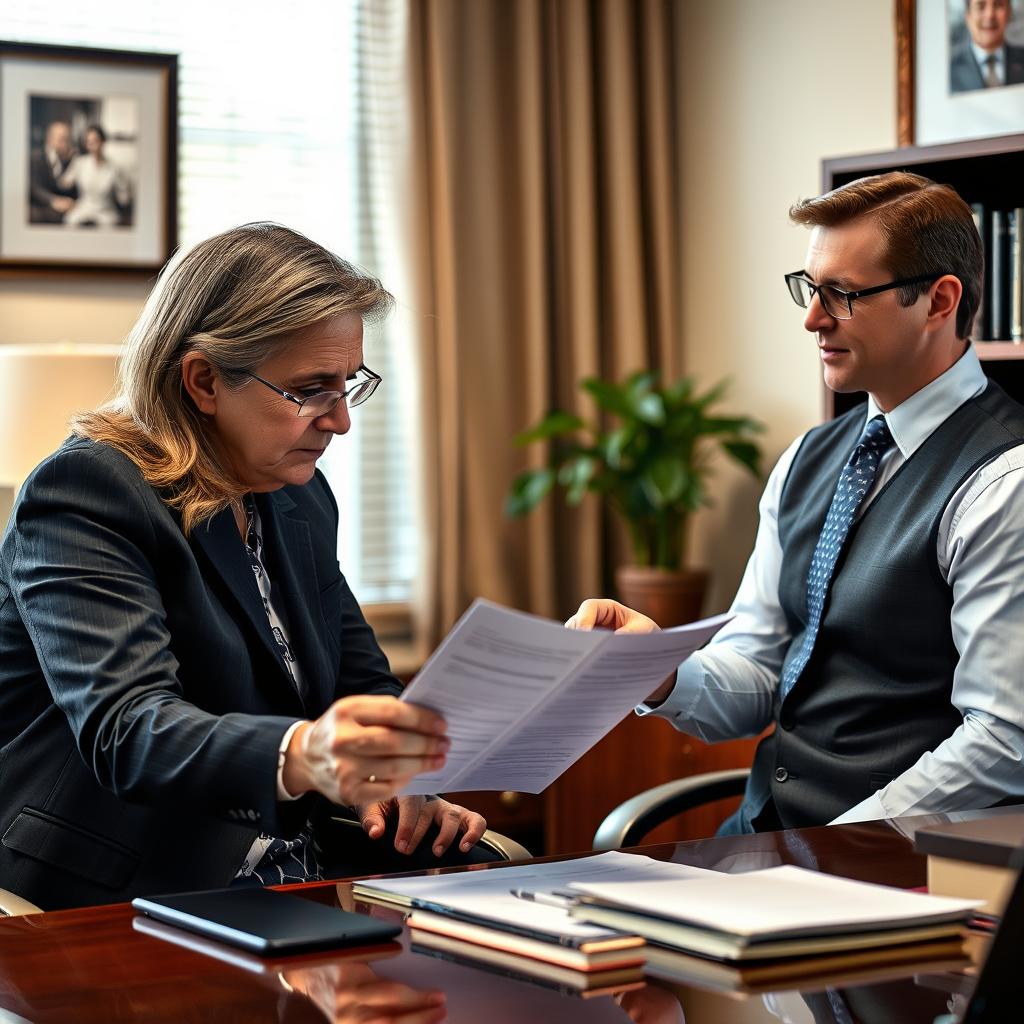
partner support lawyer Kent County, MD
Partner support—whether spousal support during a separation, temporary alimony while a divorce is pending, or post‑divorce maintenance—directly affects financial stability for both parties. In Kent County, Maryland, these matters are heard in the Circuit Court for Kent County, located at 103 N. Cross Street in Chestertown. Mr. Sris, Owner and Founder of Law Offices Of SRIS, P.C., and the firm’s Of Counsel attorneys work with clients throughout the Eastern Shore to bring clarity to support obligations that can feel uncertain. The firm’s Rockville location serves Kent County residents by appointment, and our attorneys appear regularly in the Kent County courts. For a confidential discussion about your partner support issue, call (888) 437‑7747. Law Offices Of SRIS, P.C. – Advocacy Without Borders.
What Partner Support Means in Kent County
In Maryland, partner support—often referred to as alimony or spousal support—is governed by the Family Law Article. Maryland is an equitable distribution state, meaning that marital property is divided fairly, though not necessarily equally. Spousal support is treated separately. A court may award alimony on a temporary, rehabilitative, or indefinite basis, depending on the length of the marriage, the financial circumstances of each spouse, contributions to the household, and the standard of living established during the marriage.
Kent County cases are filed in the Circuit Court. While many support determinations are resolved between the parties and then incorporated into a separation agreement, contested matters move through a process that may include a pendente lite hearing for temporary relief while the divorce or other family law proceeding is pending. Because the county’s smaller docket can sometimes mean shorter wait times for motions, it is still important that a party seeking support present a thorough financial picture from the start.
How Law Offices Of SRIS, P.C. handles Partner Support Cases
Mr. Sris and the firm’s Of Counsel attorneys approach each partner support matter with the understanding that these issues are deeply personal and require careful financial analysis. Our team reviews income, employment history, health considerations, and the marital standard of living to build a factual record that supports the client’s position. When a spouse is not voluntarily paying support, we may seek a pendente lite order from the Kent County Circuit Court to establish temporary support while the underlying case moves forward.
The firm’s Of Counsel team includes attorneys who have litigated family law cases in Maryland for many years, and who bring a former prosecutor’s perspective to negotiation and courtroom strategy. We work toward a resolution that safeguards our client’s financial future, whether through settlement or, when necessary, trial. Throughout the process we keep clients informed, explaining Maryland’s statutory factors under the Family Law Article so that they can make decisions based on realistic expectations.
Frequently Asked Questions
What types of alimony are available in Maryland?
Maryland courts may award rehabilitative alimony, temporary alimony during the divorce process, or, in limited circumstances, indefinite alimony. Rehabilitative alimony is intended to help a spouse become self‑supporting through education or job training. Temporary alimony—often called pendente lite support—provides financial assistance while the case is pending. Indefinite alimony is reserved for long marriages or when a spouse cannot reasonably be expected to become self‑supporting.
Do I need a lawyer for a partner support case in Kent County?
You are not legally required to hire a lawyer, but having experienced representation helps ensure your financial interests are fully protected. Spousal support involves detailed financial disclosures, income analysis, and an understanding of Maryland’s statutory factors. An attorney can present the evidence effectively and negotiate terms that reflect your actual needs.
How does the court decide the amount and duration of spousal support?
The court weighs factors including the length of the marriage, each spouse’s earning capacity, contributions to the marriage, and the standard of living during the marriage. Disparities in income and the ability of one party to pay are critical. The goal of rehabilitative support is to provide a transition period; indefinite support is considered only when self‑sufficiency is unlikely after a long marriage.
Can I receive temporary support while my divorce is pending?
Yes, a party can request pendente lite spousal support while a divorce or separation case is ongoing. The Kent County Circuit Court may order the higher‑earning spouse to pay temporary support after a hearing. This provides immediate financial stability while the parties work toward a final resolution.
What if my ex‑spouse stops paying court‑ordered support?
You can seek enforcement through a contempt action in the court that issued the order. The Kent County Circuit Court has the authority to enforce its support orders, and remedies may include wage garnishment, a judgment for arrears, and, in serious cases, incarceration for contempt. Prompt action is important to preserve your rights.
Does spousal support end if the recipient remarries?
Generally, yes—spousal support terminates upon the remarriage of the recipient unless the parties agreed otherwise in writing. Cohabitation may also be a ground for modification or termination, but this is fact‑specific and must be presented to the court.
Can a support order be modified after it is entered?
A final spousal support award may be modified if there has been a substantial, material, and unforeseeable change in circumstances. Job loss, a significant change in income, or a medical condition could justify a modification. Rehabilitative support may be extended if the recipient’s efforts to become self‑supporting have not yet succeeded through no fault of their own.
What is the difference between spousal support and child support?
Spousal support is payment from one spouse to the other for that spouse’s own living expenses, while child support is for the benefit of the minor children. Maryland calculates child support using statutory guidelines based on the combined income of both parents. The two obligations are separate and can exist simultaneously.
Can support issues be resolved outside of court?
Yes, many spousal support arrangements are resolved through a separation agreement negotiated between the parties. If the parties agree on the amount and duration of support, they can submit the agreement to the court for incorporation into a final judgment. This avoids litigation and gives the parties more control over the outcome.
How long does a spousal support case take in Kent County?
The timeline varies depending on whether the case is contested, the court’s calendar, and the complexity of the financial issues involved. An uncontested support agreement may be resolved in a matter of weeks, while a contested hearing could take several months. A pendente lite motion for temporary support can often be heard sooner.
Do I have to prove fault to receive spousal support in Maryland?
No, Maryland is a no‑fault divorce state and spousal support is determined based on financial need and ability to pay, not marital misconduct. Although adultery may affect property distribution, it rarely affects an alimony award unless the misconduct dissipated marital assets.
What should I bring to a consultation about partner support?
Bring recent pay stubs, tax returns, bank statements, a list of monthly expenses, and any existing support orders or separation agreements. The more complete your financial picture, the better an attorney can evaluate what support you may be entitled to, or what obligation you might face.
For help with a support issue in Kent County, contact Law Offices Of SRIS, P.C. at (888) 437‑7747 to schedule a confidential consultation.
Attorney advertising. Prior results do not guarantee a similar outcome.
Case results depend on a variety of factors unique to each case.