
Note: This article is confirmed by Law Offices Of SRIS, P.C.
WRITTEN BY: Mr. Sris
Since 1997, Mr. Sris has led the firm, focusing on the most challenging criminal and family law cases. His background in accounting and information management aids in financial and technology-related cases. Involved in significant legislative changes in Virginia. Mr. Sris is licensed in Virginia, Maryland, District of Columbia, New Jersey, and New York.
protective order lawyer Montgomery MD
What is a protective order lawyer Montgomery MD
A protective order lawyer in Montgomery, Maryland handles legal matters involving court-issued protective orders. These legal professionals assist clients who need to obtain protective orders or who must respond to protective orders filed against them. Protective orders are court documents that restrict contact between individuals, often in situations involving domestic disputes or safety concerns.
The legal process for protective orders involves specific steps and requirements. First, a petition must be filed with the court outlining the reasons for seeking protection. The court then reviews the petition and may issue a temporary order. A hearing follows where both parties present evidence and arguments. The judge makes a final decision based on the presented information.
Defense options vary depending on whether you are seeking protection or responding to an order. For those seeking protection, gathering evidence and presenting a clear case is vital. For respondents, understanding the allegations and preparing appropriate responses matters. Legal representation helps ensure proper procedures are followed and rights are protected throughout the process.
Professional insight from experienced attorneys can guide clients through this challenging legal area. Understanding local court procedures and requirements in Montgomery County is important. Each case has unique circumstances that require careful consideration and strategic planning.
How to work with a protective order attorney Montgomery County MD
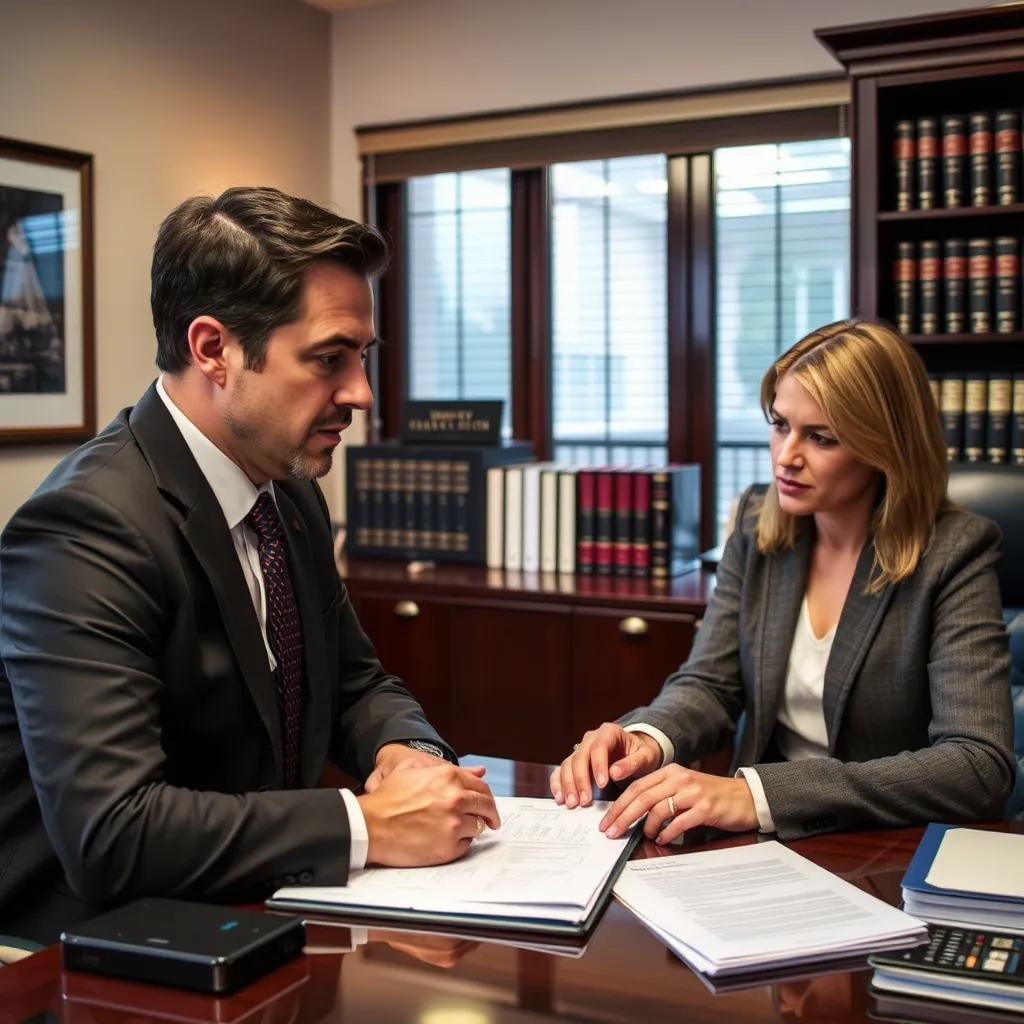
Working with a protective order attorney in Montgomery County, Maryland involves a structured process to address legal needs. The first step is scheduling an initial consultation to discuss your specific situation. During this meeting, you’ll explain the circumstances that led to seeking legal help. The attorney will ask questions to understand the details and assess the legal options available.
After the consultation, the attorney helps gather necessary documentation and evidence. This may include police reports, medical records, photographs, or witness statements. The attorney prepares legal documents required for court filings. These documents must meet specific formatting and content requirements established by Montgomery County courts.
The attorney develops a strategy based on your goals and the available evidence. For petitioners seeking protection, this involves demonstrating why a protective order is necessary. For respondents, this means preparing defenses against the allegations. The attorney represents you at court hearings, presenting arguments and evidence to support your position.
Professional guidance throughout this process helps ensure proper procedures are followed. Attorneys familiar with Montgomery County courts understand local rules and expectations. They can anticipate potential challenges and prepare appropriate responses. Ongoing communication keeps you informed about case developments and next steps.
Can I handle a protective order case without legal help
Individuals have the right to represent themselves in protective order cases, but this approach presents challenges. Court procedures involve specific rules and requirements that may be unfamiliar to those without legal training. Documents must be prepared correctly and filed according to court deadlines. Missing procedural steps can negatively affect case outcomes.
The process of handling a protective order case involves several important steps. First, understanding the legal standards for obtaining or defending against an order matters. Evidence must be gathered and presented effectively. Court hearings require preparation and knowledge of what information judges consider. Legal arguments must be framed appropriately within established legal principles.
Defense strategies vary depending on whether you are seeking protection or responding to an order. For those seeking orders, demonstrating immediate danger or harassment is necessary. For respondents, challenging insufficient evidence or presenting alternative explanations may be appropriate. Understanding what constitutes valid evidence and how to present it effectively requires legal knowledge.
Professional insight helps handle the legal system more effectively. Attorneys understand how judges typically view certain types of evidence or arguments. They know local court customs and preferences in Montgomery County. Legal representation can help avoid procedural mistakes that might otherwise compromise your position.
Why hire legal help for protective order matters
Hiring legal help for protective order matters offers several benefits when addressing these sensitive legal situations. Attorneys bring knowledge of legal procedures that may be unfamiliar to those without legal training. They understand the specific requirements for filing petitions, presenting evidence, and meeting court deadlines in Montgomery County. This knowledge helps ensure proper procedures are followed throughout the legal process.
The process of obtaining or responding to protective orders involves strategic decisions. Attorneys can assess the strengths and weaknesses of your position based on their experience with similar cases. They help gather appropriate evidence and prepare it for court presentation. Legal professionals understand what types of information judges typically find persuasive in protective order hearings.
Defense options and strategies benefit from professional insight. For those seeking protection, attorneys can help demonstrate why an order is necessary based on legal standards. For respondents, attorneys can challenge insufficient evidence or present alternative explanations. Legal representation helps ensure your rights are protected throughout court proceedings.
Professional guidance provides clarity during what can be an emotionally challenging process. Attorneys explain legal concepts in understandable terms and help manage expectations about possible outcomes. They handle communications with the court and opposing parties, reducing stress for clients. Ongoing support helps clients make informed decisions at each stage of the legal process.
FAQ:
What is a protective order?
A court order restricting contact between individuals, often used in domestic situations.
How long do protective orders last?
Duration varies but temporary orders typically last until a final hearing occurs.
Can I get a protective order without going to court?
No, a judge must review and approve all protective orders through court proceedings.
What happens if someone violates a protective order?
Violations can result in criminal charges and additional legal consequences.
Do I need evidence for a protective order?
Yes, evidence supporting the need for protection strengthens your case in court.
Can protective orders be modified?
Yes, modifications are possible through court petitions showing changed circumstances.
How much does a protective order lawyer cost?
Costs vary based on case challenge and attorney experience with such matters.
What if I disagree with a protective order?
You can contest the order at a hearing with legal representation presenting your position.
Are protective orders public record?
Yes, these court orders typically become part of the public court record.
Can protective orders affect child custody?
Yes, family court judges may consider protective orders in custody decisions.
How quickly can I get a protective order?
Temporary orders can sometimes be obtained quickly through emergency procedures.
What if I need to change a protective order?
File a petition with the court explaining why modifications are necessary.
Past results do not predict future outcomes.