
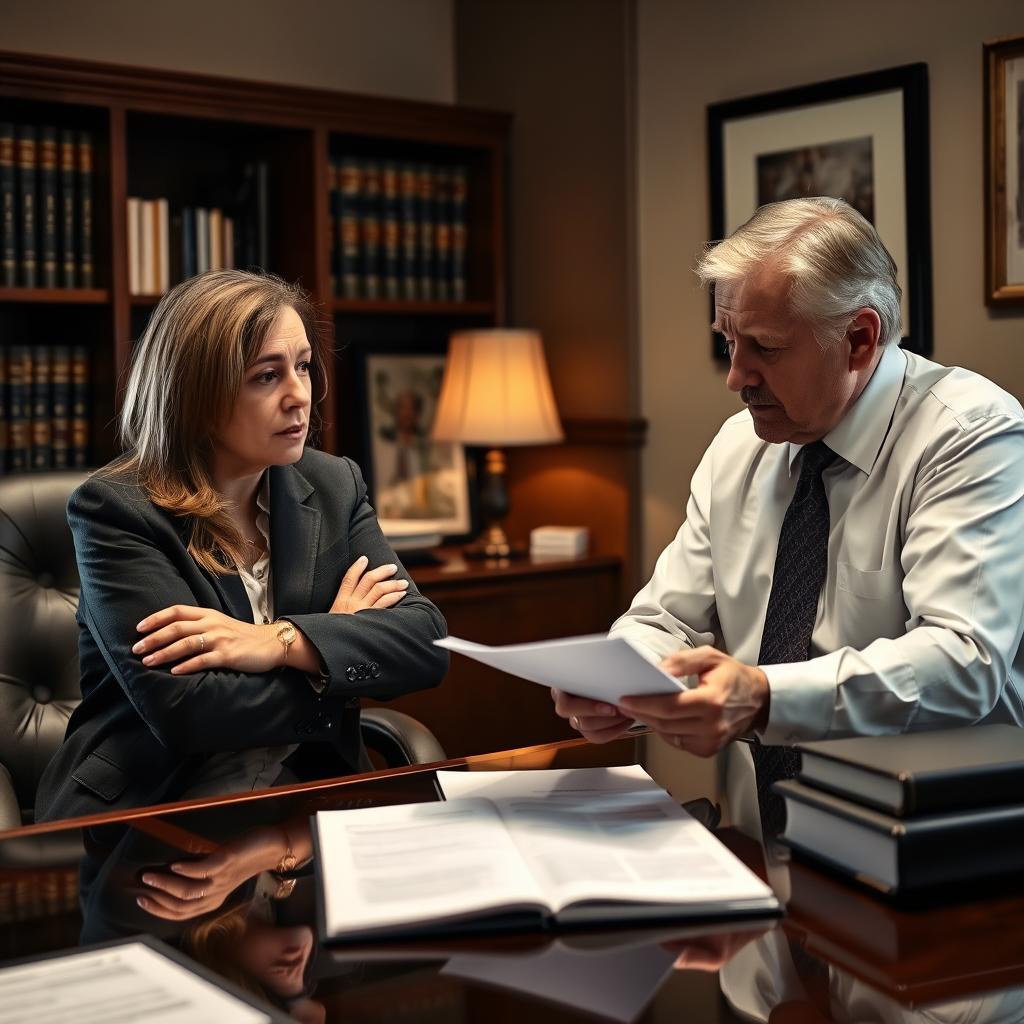
rehabilitative alimony lawyer Caroline County, VA
Rehabilitative alimony is a form of spousal support designed to help a spouse gain the education, training, or work experience needed to become self‑supporting after a divorce. In Caroline County, Virginia, these matters are heard in the Caroline County Circuit Court, which has jurisdiction over divorce and related financial issues. Mr. Sris, Owner and Founder of Law Offices Of SRIS, P.C., and the firm’s Of Counsel attorneys assist clients with rehabilitative alimony claims—whether seeking support or responding to a request. They appear regularly in the Caroline County Circuit Court and the Caroline County Juvenile and Domestic Relations District Court, which handles support enforcement and modification. To schedule a consultation, contact Law Offices Of SRIS, P.C. at (888) 437‑7747. Law Offices Of SRIS, P.C. – Advocacy Without Borders.
What Rehabilitative Alimony Means in Caroline County, Virginia
Rehabilitative alimony is temporary spousal support that enables a financially dependent spouse to acquire marketable skills, complete a degree, or launch a career so that they can become self‑sufficient. Unlike permanent support, it has a defined goal and a limited duration. Virginia courts award rehabilitative alimony under the spousal‑support framework of Va. Code § 20‑107.1, which lists thirteen factors the court must consider, including the earning capacity of each party, the duration of the marriage, the standard of living established during the marriage, the contributions of each spouse to the family’s well‑being, and the property interests of the parties.
In Caroline County, rehabilitative alimony disputes are litigated in the Caroline County Circuit Court, located at 111 Ennis Street, Bowling Green, Virginia 22427. The court sits in the Fifteenth Judicial District. Because Caroline County is a rural community within the I‑95 corridor between Fredericksburg and Richmond, family law matters often involve agricultural or small‑business assets that affect income and support needs. Mr. Sris and the firm’s Of Counsel attorneys understand how local courts evaluate training plans, job‑market evidence, and vocational testimony when setting the amount and length of rehabilitative support. A spouse seeking rehabilitative alimony typically presents a concrete plan for education or skills development, while the paying spouse may contest the need, the feasibility, or the cost of the proposed plan. The court retains discretion to craft an award that balances the recipient’s need with the payor’s ability to pay, and it may modify the award if circumstances change before the support period ends.
How Mr. Sris and the Firm’s Of Counsel Attorneys Handle Rehabilitative Alimony Cases
Every rehabilitative alimony case begins with a careful assessment of the facts. The attorneys at Law Offices Of SRIS, P.C. work with vocational attorneys, accountants, and financial planners when necessary to build a record that supports or challenges a rehabilitative alimony claim. They evaluate the spouse’s work history, educational background, and realistic employment opportunities in the region. For the requesting spouse, the emphasis is on demonstrating a genuine need and a realistic transition plan; for the paying spouse, the focus is often on showing that the other party already has adequate earning capacity or that the proposed plan is unnecessary or unreasonable. The goal in every case is to present the court with a clear, evidence‑based picture so that any award aligns with the statutory factors.
Negotiation and mediation are frequently used to reach a settlement outside of court. A well‑drafted property settlement agreement can define the amount, duration, and terms of rehabilitative alimony, as well as the conditions that would terminate or modify it—such as the recipient’s completion of a degree or a significant change in income. When settlement is not possible, the matter proceeds to a contested hearing in the Caroline County Circuit Court. Throughout the process, Mr. Sris and the firm’s Of Counsel attorneys emphasize thorough preparation, timely filings, and clear communication so that clients understand their options at every stage.
About Mr. Sris and the Firm’s Of Counsel Attorneys
Mr. Sris founded Law Offices Of SRIS, P.C. in 1997 and serves as its Owner and Founder. A former prosecutor, he brings a trial‑tested perspective to family law disputes. He is admitted to practice in Virginia, Maryland, the District of Columbia, New Jersey, and New York, and his legislative testimony in support of 2019 HB 635 (chief patron Del. David Bulova) reflects his engagement with Virginia’s family‑law statutes. Mr. Sris testified before the Virginia House Courts of Justice Committee in support of that bill, which addressed procedural aspects of equitable distribution under Va. Code § 20‑107.3.
The firm’s Of Counsel attorneys contribute significant experience in family law litigation. They appear regularly in Virginia courts and work alongside Mr. Sris on matters that involve rehabilitative alimony, divorce, child custody, and support. India is not a signatory to the 1980 Hague Convention on Civil Aspects of International Child Abduction. Every Of Counsel attorney is an independent practitioner who contracts directly with the firm; no associate or employee relationship exists. This structure allows the firm to assemble the right combination of advocacy and insight for each client’s circumstances. The attorneys bring a multi‑state perspective and a practical understanding of how Caroline County courts handle spousal‑support cases.
Frequently Asked Questions
What is rehabilitative alimony in Virginia?
Rehabilitative alimony is temporary spousal support awarded to help a dependent spouse gain the education or training needed to become self‑supporting. It differs from permanent support because it has a specific, finite purpose and a limited duration. The court sets the amount and length after considering the factors in Va. Code § 20‑107.1, including the recipient’s need, the payor’s ability to pay, and the feasibility of the proposed plan. Once the recipient completes the plan or a reasonable period passes, the obligation typically ends.
How does a court decide the amount and duration of rehabilitative alimony?
The court weighs the thirteen statutory factors under Va. Code § 20‑107.1, with special attention to the spouse’s employment history, education, and the time reasonably necessary to acquire marketable skills. The judge also looks at the standard of living during the marriage, the financial resources of each party, and the contributions each spouse made to the family. Evidence from vocational attorneys or job‑market data often influences the outcome. There is no fixed formula; each case turns on its specific facts.
Can rehabilitative alimony be modified after it is awarded?
Yes, a party may petition the Caroline County Juvenile and Domestic Relations District Court or Circuit Court to modify rehabilitative alimony if there has been a material change in circumstances. For the paying spouse, that could include the recipient’s failure to diligently pursue the agreed‑upon plan; for the recipient, it could involve an unexpected job loss or health issue. The requesting party must present evidence that the change is substantial and not temporary. The court retains jurisdiction to adjust the support order as equity requires.
Do I need a lawyer to request or challenge rehabilitative alimony in Caroline County?
While you are not required to have a lawyer, an experienced family‑law attorney can help you present a clear rehabilitative plan, gather vocational evidence, and negotiate a settlement that protects your interests. Rehabilitative alimony disputes often involve contested facts about earning capacity, job‑market realities, and the reasonableness of training costs. An attorney familiar with the Caroline County courts and Virginia spousal‑support law can identify the strengths and weaknesses of your position early, which may lead to a faster resolution and a more durable support order.
How do I get started with a rehabilitative alimony case?
Call Law Offices Of SRIS, P.C. at (888) 437‑7747 to request a consultation. During the initial meeting, you can discuss your situation, learn what steps are involved, and begin building a strategy. The firm’s attorneys will explain the process, from drafting a separation agreement to filing a complaint in the Caroline County Circuit Court, and will help you understand your rights and obligations under Virginia law.
Related pages:
Family Law Fairfax County |
Family Law Prince William County |
Family Law Manassas |
Family Law Fairfax City
Primary sources:
Virginia Code Title 20 (Domestic Relations) |
Caroline County Circuit Court |
Virginia Courts
Attorney advertising. Prior results do not guarantee a similar outcome.
Results may vary.
Case results depend on a variety of factors unique to each case.